
“Episode 10
Beyond Basket Weaving
(1965)
The Occupational Therapy Department occupied the ground floor of a forbidding building further up the hill on which S7 stood. The hill was so steep that even the paras struggled to reach it, so orderlies pushed patients there from a variety of wards. Most of the spinal patients loathed their OT experiences because basket-weaving dominated them; it seemed a stupid,
useless activity.
Fortunately, my hand function was too limited to manipulate the stiff cane reeds!”
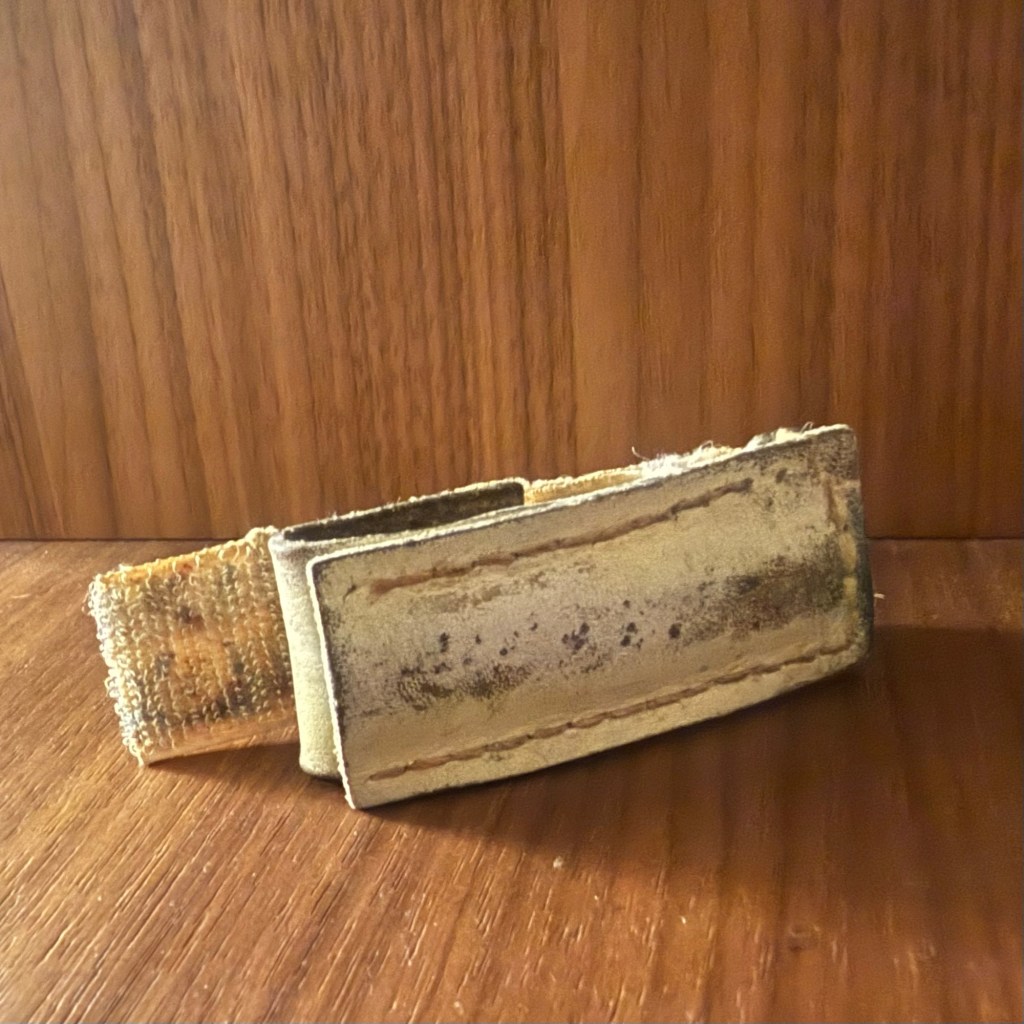
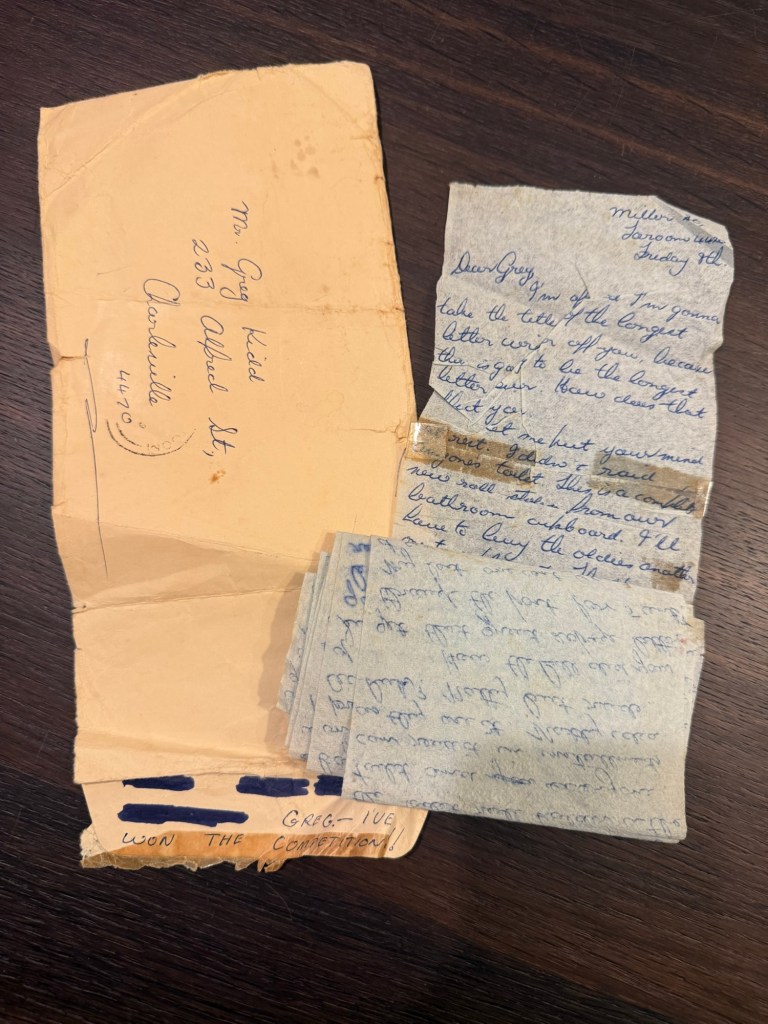
Of the things that could be missed when packing Dads things is the significance in the insignificant. Things that don’t look important.
“My OT Miss Reid, who had been unflatteringly dubbed Miseried because of her dour manner, offered suggested wrapping the more pliable plastic ribbons around a metal lightshade frame pinned in a vice.
The idea was to make several passes around a strut, pull the ribbon tight using my
teeth, clip a wooden clothes peg over the last loop then repeat the process again and again. And again and again.
When I short-circuited this approach by simply turning the peg around and around the frame so that with every revolution the ribbon was fed in under the peg’s pincers, I was very proud of myself. This innovation
ensured a uniform tension as well as sparing me a lot of frustration. My strategy was sabotaged by my eagerness to finish the lamp post-haste; the delighted therapist wasted no time setting up another frame. This time I
literally spun out the process as slowly as possible in my dread of repeating the undertaking indefinitely.
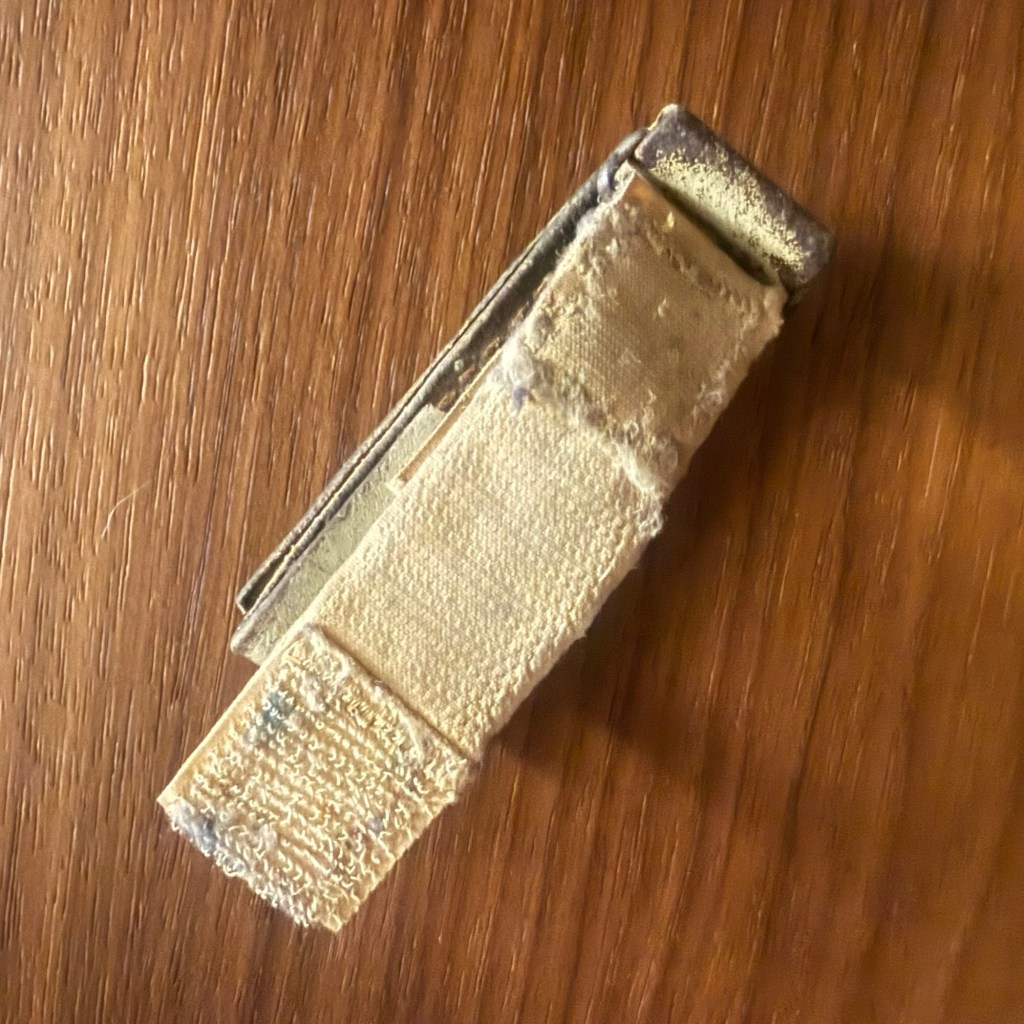
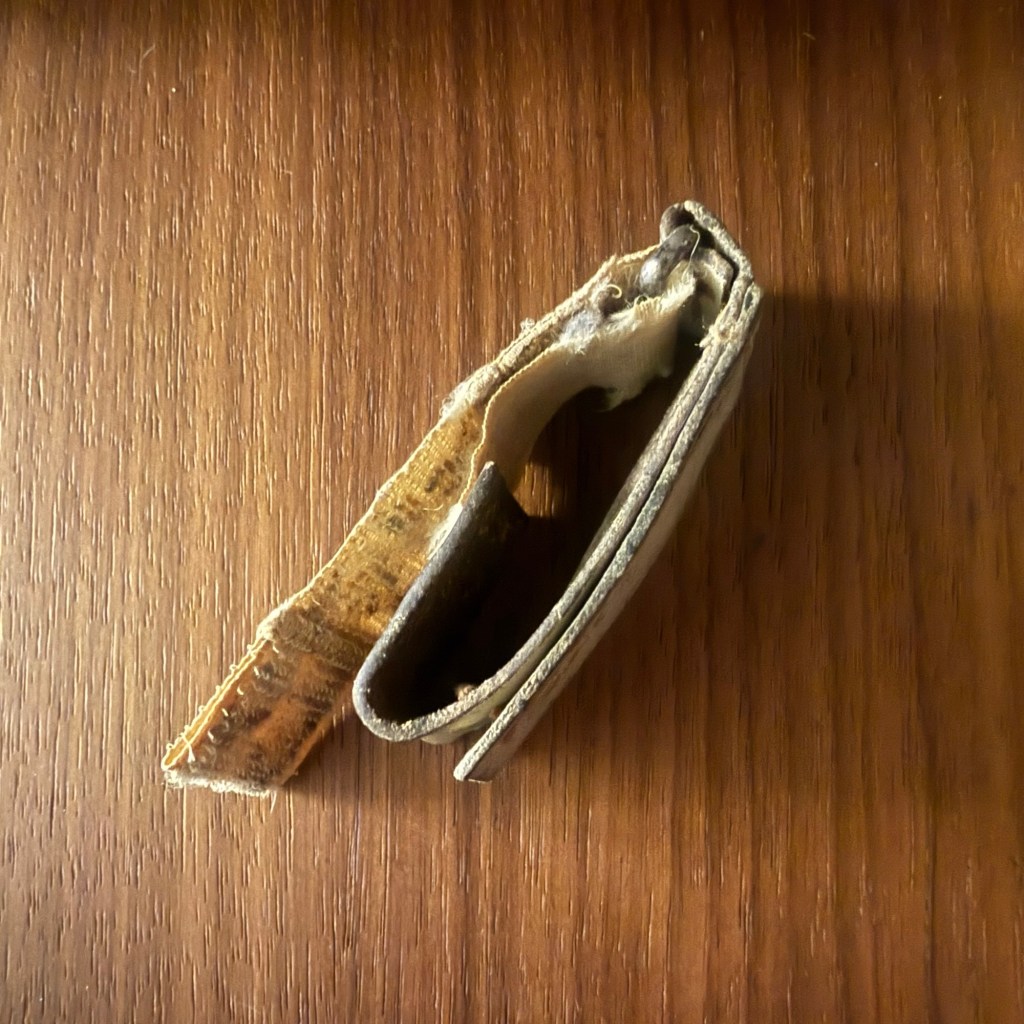
My real saviour for a multitude of daily tasks was a tool known as a palm pocket. Miss Read made me one, its completion signalling the end of my ribbon spinning days. It consisted of two five-inch (12-centimetre)
strips of leather that she machine-sewed one on top of the other around three edges, and a piece of strong elastic that connected the leather at one end to create a band. The open end formed a sheath into which implements
such as a pen, eating utensil or typing stick could be inserted.
Because my right hand had retained the most movement, I was obliged to re-orient myself from left- to right-handedness. It took a spinal cord injury to accomplish what my left-hander-hating primary school
tormentor, Miss Birch, had failed at!
I learned to feed myself by using a fork or spoon that staff inserted into the palm pocket. The only other assistance I required was the cutting up of meals and the application of condiments. When I mastered self-feeding, I dispensed with the palm pocket for this task.
Unfortunately, my new dominant hand was not steady enough to allow me to write legibly using the palm pocket. Pulling the pen out with my teeth to perform other tasks and re-inserting it afterwards was tedious, so
I began practising with a pen threaded between the second and third
fingers, the uppermost end of its shaft cradled by the base of the index
finger and thumb. This method was moderately successful, but my neatest
writing was produced when I was lying on my left side where I gained the necessary stability by bracing my arm at the elbow against my ribs.
Until I had re-learned to write, I dictated personal letters to staff members who wrote them for me, Noela being my most obliging scribe.
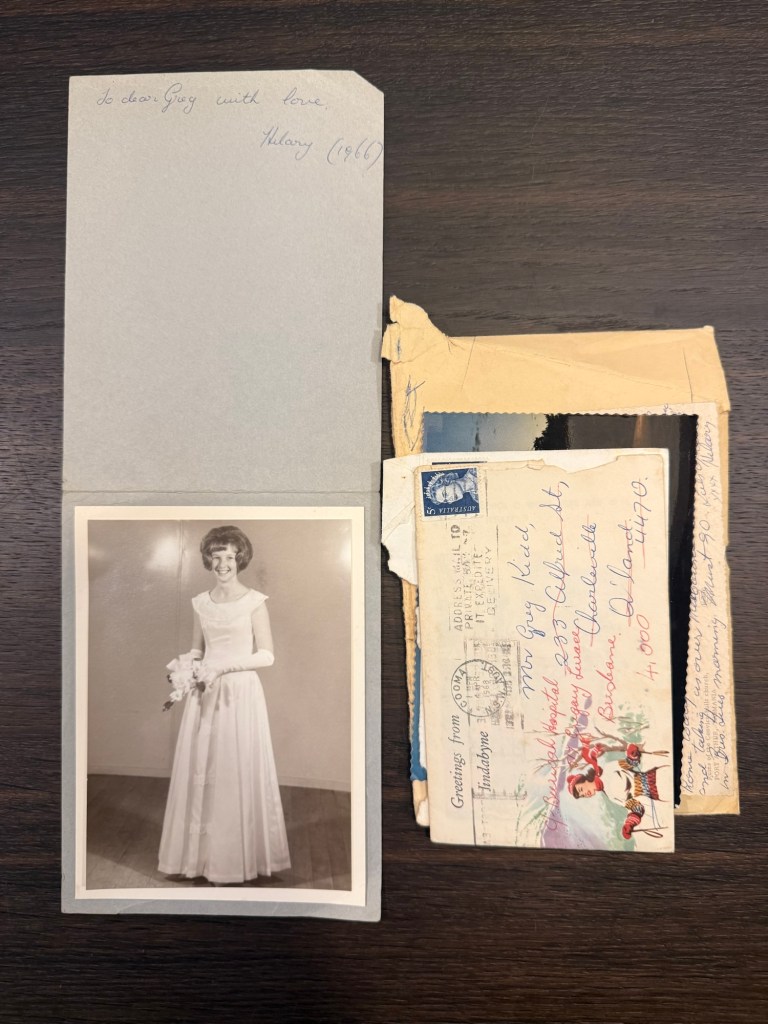
Now I enjoyed attending to correspondence with my parents and the few other regulars who included Hilary and Merryl Phipps, the Taroom cousins.
 GregKidd
Leave a comment